
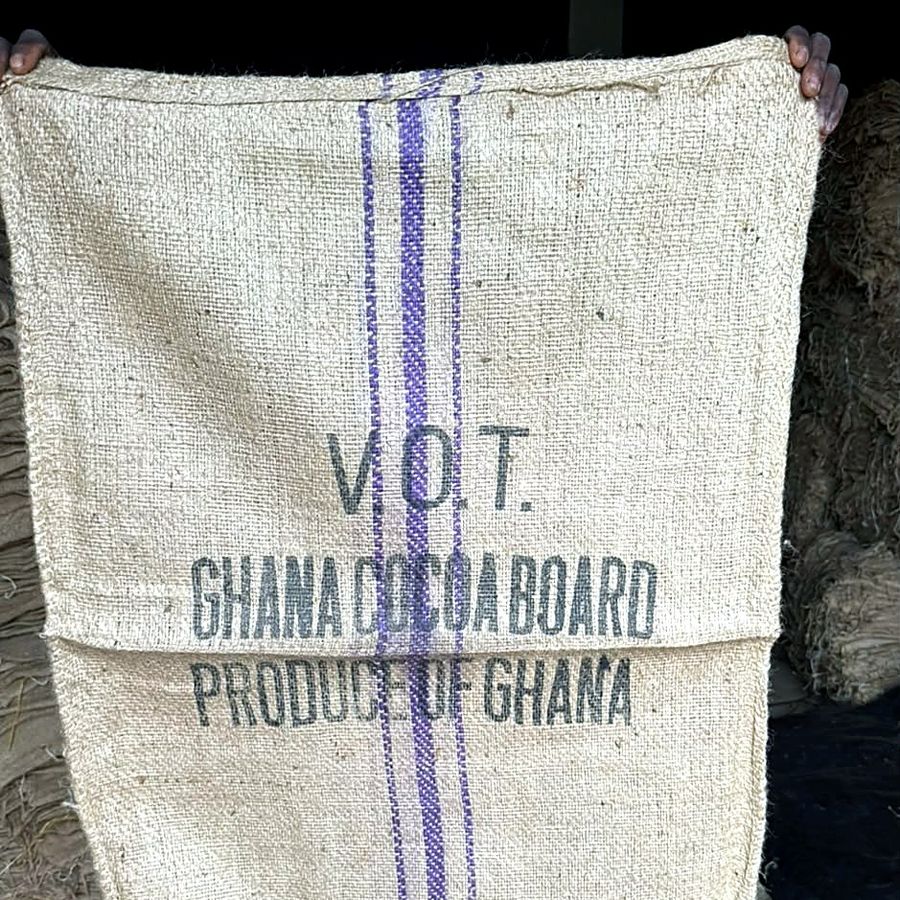
Jute sacks — New
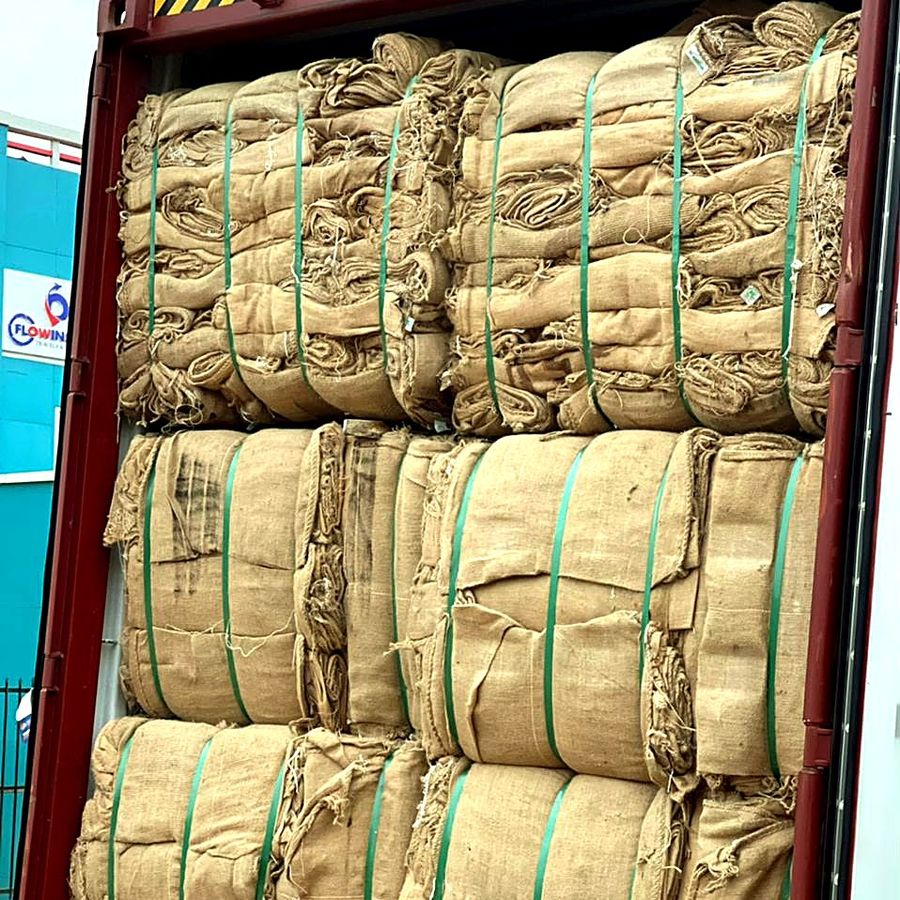
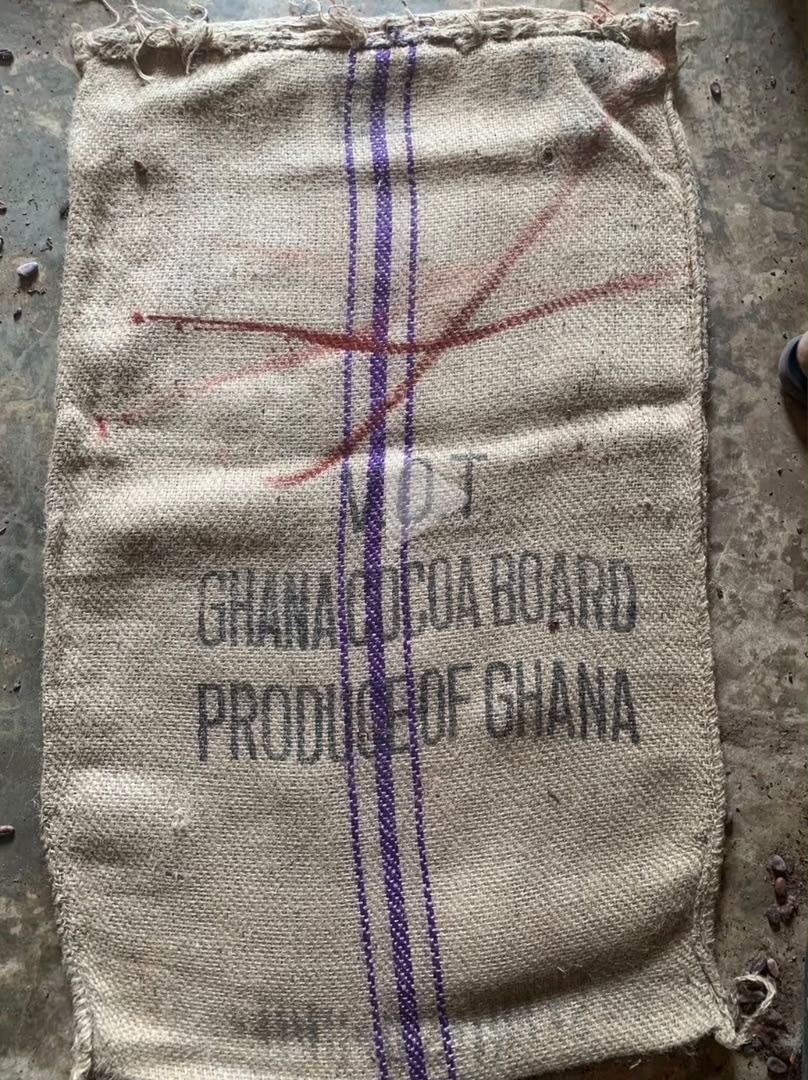
Clean, full-strength sacks for cocoa, grain and produce that has to travel or store for months without the seams giving way.
Bin Musa Agro International Limited
Bin Musa Agro International Limited is a packaging house first: we supply jute sacks (also traded as gunny sacks) in new, thin and one-time-use grades for cocoa, grain and general agro packaging, bulk stock or by the bale. We also trade cocoa, coffee and cashew, and run logistics to anywhere in Nigeria.
Our story goes back to 1994, when our late father started a family business sourcing agricultural packaging materials — jute sacking, also known in the trade as gunny or burlap, used for cocoa, cashew and other cash crops. Our founder grew up working alongside him, learning the trade from the ground up before formally establishing Bin Musa Agro in 2026 to carry that experience into the international market.
Packaging is still our primary focus: jute, sisal, thin and polypropylene sacks, sourced internationally and locally for the agricultural industry. Alongside it we source and trade cocoa, cashew and other commodities directly from local farmers, with logistics to move it all anywhere in Nigeria.
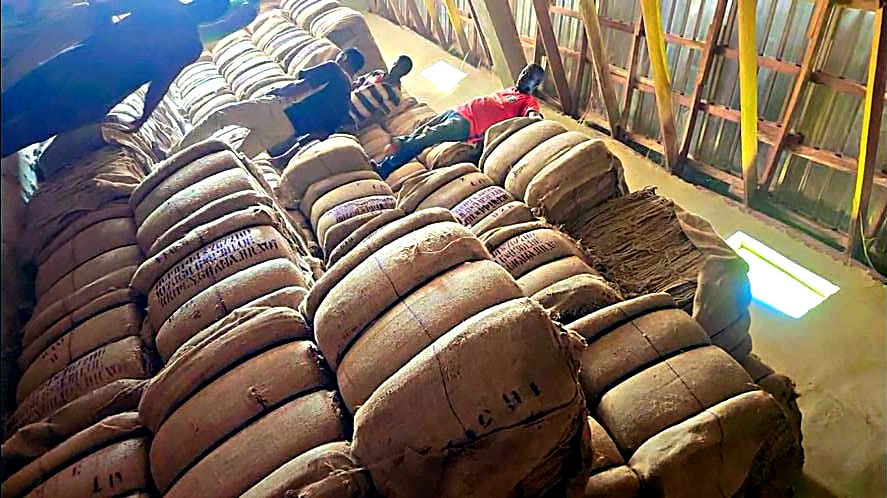
Jute is what we sell most, and what we know best — sold under the jute or gunny name depending on the market. Every bale that comes through our stores is sorted by hand into grade before it goes back out, so a "new" order and a "one-time-use" order never get mixed up. We also source sisal, thin and polypropylene sacks internationally and locally on request.
Clean, full-strength sacks for cocoa, grain and produce that has to travel or store for months without the seams giving way.
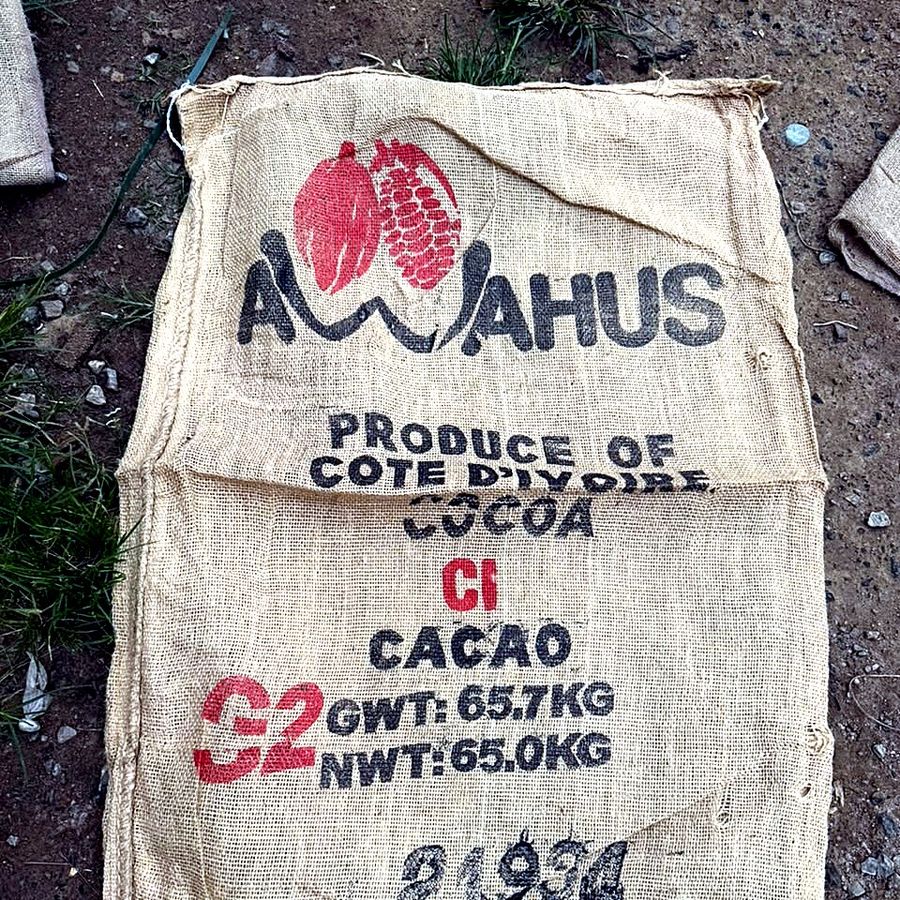
Our everyday grade: lighter weave, still sound, priced for buyers moving volume rather than paying for extra weight of fibre.
Reconditioned sacks sorted for a single trip — the lowest-cost grade for buyers who need cover, not longevity.
We buy and move these three on the side of our packaging trade — often for the same processors and exporters who buy our jute sacks to ship in.
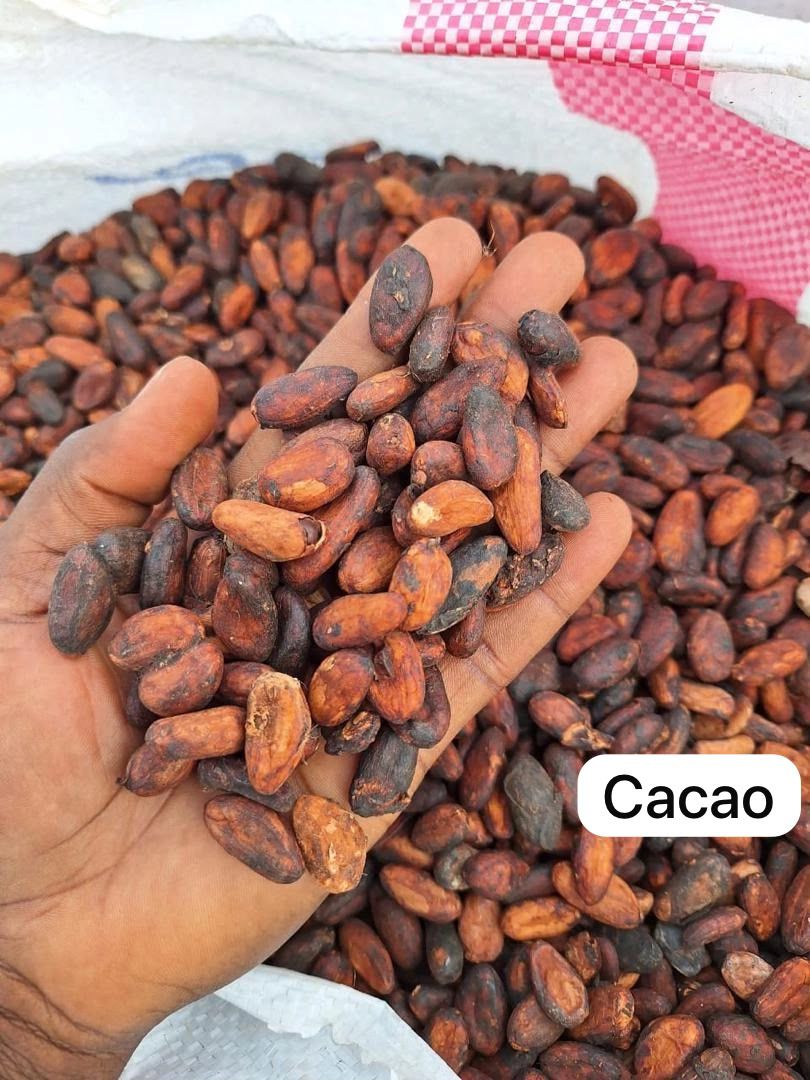
Main crop and light crop beans bought at origin, bagged in our own jute for the trip to port.
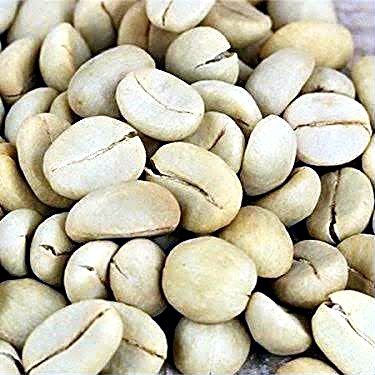
Robusta green coffee sourced seasonally, cleaned and graded before it goes into 60 kg jute for shipment.
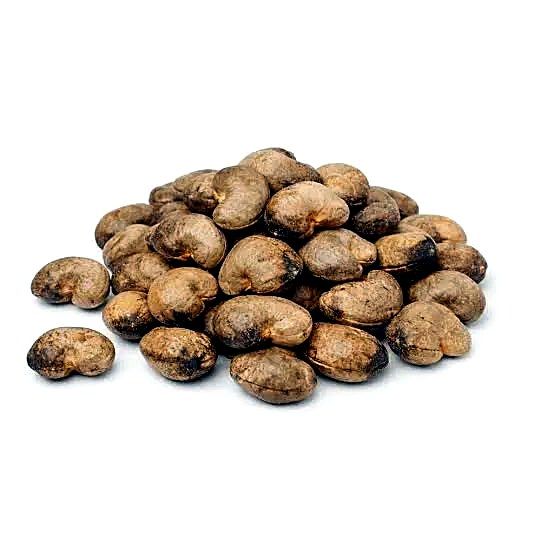
Raw cashew nuts by outturn, sun dried and bagged at our stores for local processors and export.
We also source and trade wheat, barley and corn locally, with the capacity to export — ask our desk for current availability.
Sacks, produce or general agro cargo — our trucks run inland haulage from our warehouses to any state, with a weekly position report so you know where a load is before you ask.
Bin Musa Agro formalised in 2026, but the values come from thirty years earlier — the same four things our founder learned working alongside his father.
Stock on ground and orders that arrive as graded, on the timeline agreed.
What you order is what leaves our warehouse — no substituting grade without telling you first.
Every bale hand-sorted before it's offered, whether it's a bag order or a commodity parcel.
Built for buyers who order again, not just once — that's what three decades in the trade taught us.
Sourcing, grading, finance and documentation — the work that happens before a bag or a bale ever reaches your truck.
Buying stations in the producing areas and long standing relationships with co-operatives, so we buy at source rather than off the market floor.
Cleaning, destoning, grading, sorting, drying and fumigation at our own stores, then bagging and palletising to your packing instruction.
Used jute sacks are sorted, cleaned and re-baled into new, thin or one-time-use grade before they go back on the shelf.
We work against letters of credit, documents against payment and cash against documents, and pre finance our supply side so farmers are paid at delivery.
Sampling at intake and before loading, moisture, FFA, oil content and aflatoxin testing, with retained samples held for six months after shipment.
Bill of lading, certificate of origin, phytosanitary, fumigation, weight and quality certificates, prepared to your letter of credit wording.
The same three stages whether it's a pallet of jute sacks or a container of green coffee.
You tell us the bag grade and quantity, or the commodity and specification. We come back with a firm offer, and on acceptance we confirm the order in writing.
Sacks are sorted to the grade ordered and rebaled; commodities are cleaned, graded and dried to specification. Both are sampled before dispatch.
Loaded under supervision and moved by our own logistics desk, with documents and delivery notes handed over on arrival.
Tell us the bag grade and quantity, or the commodity, specification and destination. Our desk replies within one working day.